
When Beryl Waka joined goal4.org’s Mothers’ Education project, she didn’t know the lessons she’d learn would one day save her baby’s life.
At five months pregnant with her third child, Beryl attended a series of mobile video sessions that taught 50 women how to care for their newborns. The topics were simple but powerful — how to recognize danger signs in newborns, and the importance of exclusive breastfeeding, keeping a baby warm, handwashing, and clean drinking water.
When her son Wesley was born, Beryl felt confident and prepared. Just three days after being discharged from the hospital, she noticed a yellow coloring in her baby’s eyes and heels — a warning sign for jaundice, one of the danger signs covered in her lessons.
When she alerted a nurse, her concern was initially dismissed. But Beryl persisted. Her insistence led to Wesley being readmitted for phototherapy treatment — and it saved his life.
Back home, Beryl put everything she’d learned into practice: exclusive breastfeeding, good hygiene, and close observation of her baby’s health.
 Today, seven years later, Wesley is thriving — a healthy, active boy who’s never suffered a serious illness since that early scare.
Beryl says the video lessons were the most effective and memorable form of learning she’s ever experienced. “The graphics helped the content stick in my mind,” she recalls. “That’s why I still talk to other mothers about how to care for their newborns and avoid risky behaviors.”
Her story is a powerful reminder of what knowledge — and confidence — can do. When mothers are educated, children survive.
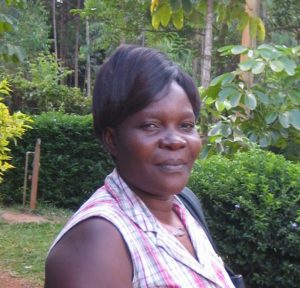
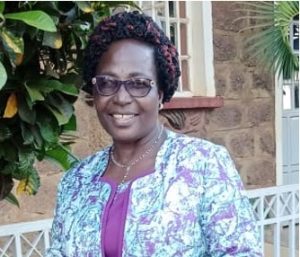 Janerose is a trained Community Health Volunteer, a counsellor, and a farmer. She joined the Sega health volunteer team in 1988 and is currently responsible for 134 households, going door-to-door with health education and support aimed at preventing common illnesses.
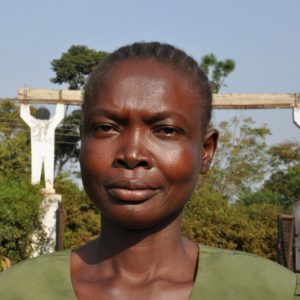
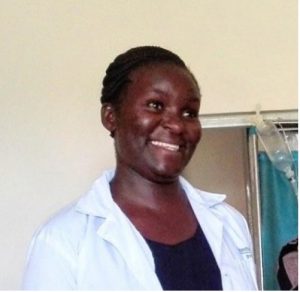 Monica Akinyi Odongo is the head of Sega’s public health facility, Sega Dispensary. She is a registered nurse whose broad responsibilities at the Dispensary include administration of the facility, managing the staff, and treating patients.
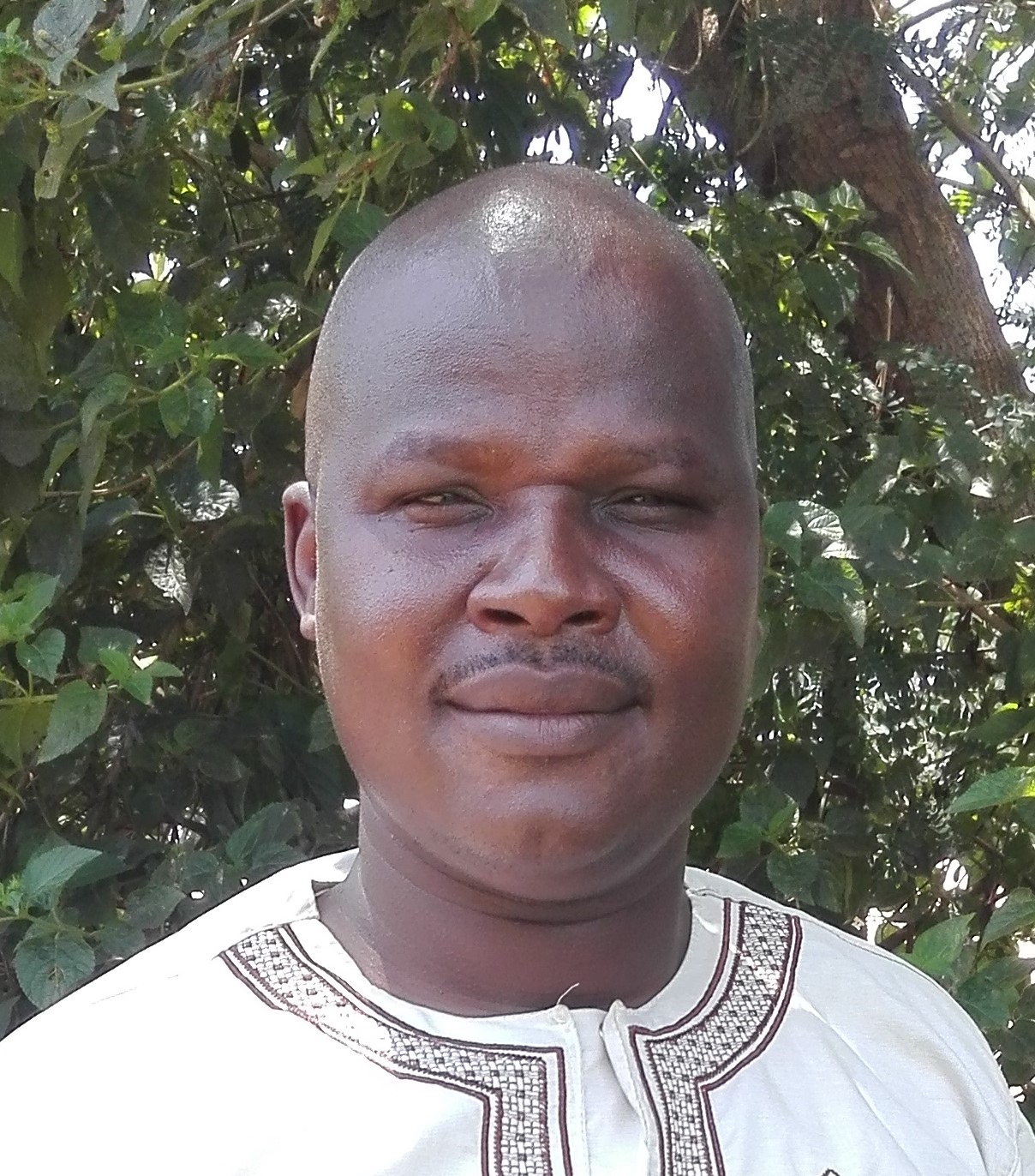
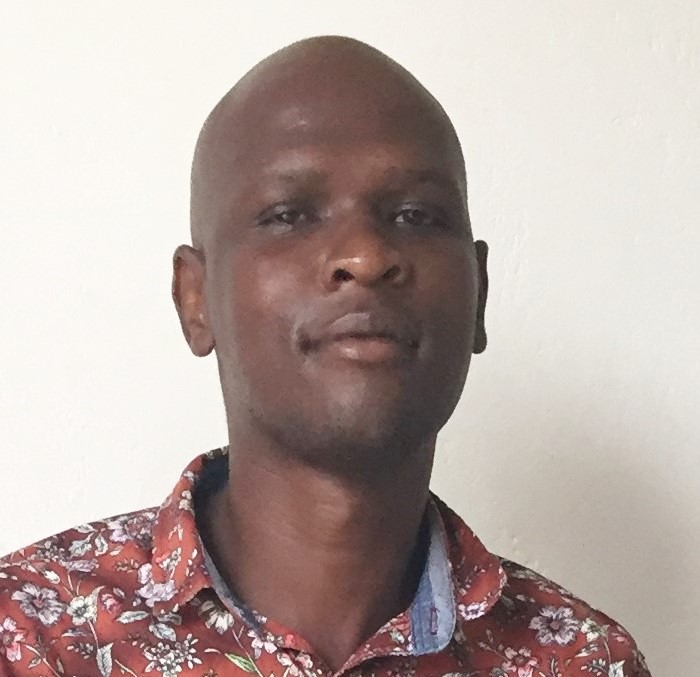
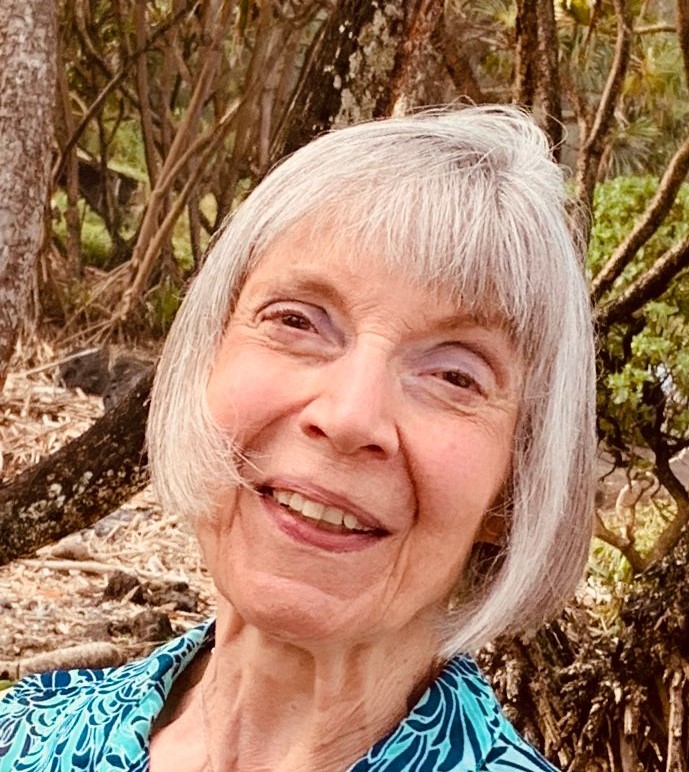

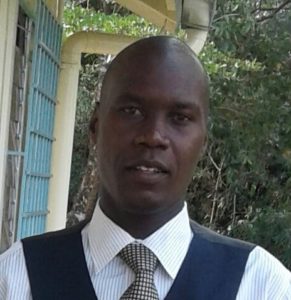 Rabin is the nursing officer in charge Sega Dispensary, the only public (free) health facility in Sega. He manages the facility, coordinates all health services, sees patients, and is responsible for community health. He was recruited to Sega to help develop and grow the Dispensary’s maternity service, including promoting the service to mothers in the community. In his past job, at a similar small, rural dispensary, he did just that – improved the maternity services and influenced a shift in the number of women who give birth at the health facility rather than at home. He is a skilled mentor, manager, and communicator.
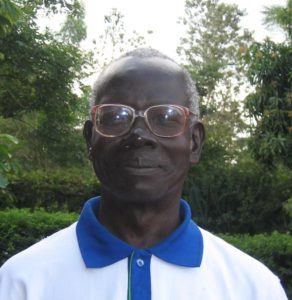
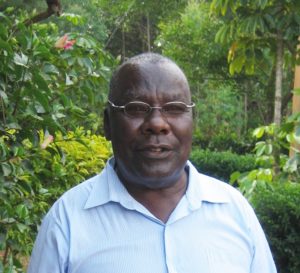 Albert has worked in education throughout his professional career. He began as a classroom teacher, later rose to the position of headmaster, then Approved Graduate Teacher. He went on to become an inspector of schools in Uganda and Kenya. He was born and raised in western Kenya where now, in retirement, he dedicates his time and skills to supporting local schools and community organizations.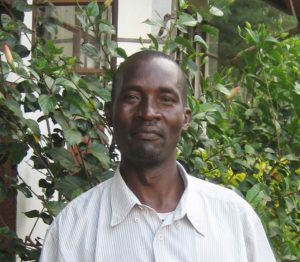

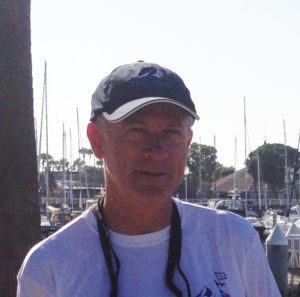 Colm is a technical project manager on Google’s robotics team. Throughout his career, he has specialized in large-scale, multi-national telecommunications projects, in both the non-profit and for-profit sectors. At Inveneo, a non-profit social enterprise that delivers low-powered networks to rural Africa, Colm participated in the post-earthquake response effort in Haiti, supporting the field team as they set up emergency communications for first-responders in the field. Prior to a decade managing non-profit projects, Colm managed global telecommunications projects for Ericsson in Ireland, Saudi Arabia, Sweden, Botswana, Macau, Canada, and the USA. He helped establish Ericsson’s US presence, building the technical support organization and managing the build-out of Ericsson’s US network.